Bath Street

Bath Street

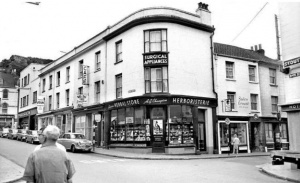
Bath Street at its junction with Beresford Street and Peter Street in 1960 Picture Evening Post
Bath Street is one of the longest streets in St Helier, running from its junction with Queen Street to Beresford Street, Minden Place and along to the junction with Stopford Road, where it continues as David Place

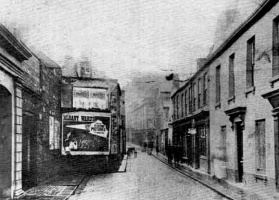
Bath Street was formerly two streets, La Rue de Bas at the lower end and Les Ruettes at the upper end. It was given its present-day name because public baths were once located in the street.
Today it is an important shopping street at the Queen Street end. The former Odeon Cinema, a protected building, stands towards the David Place end, and opposite this building is a public park, created as a rather belated celebration of the Millennium. Another cinema, West's, stood at the junction of Bath Street with Peter Street until it was demolished in the late 20th century. Today an open public square forms part of the site, with shops and offices on two sides.
Philippe Ingouville
To the east of Bath Street between the junctions with Beresford Street and Belmont Road is a largely residential area. This was first developed privately, according to the former librarian of Jersey's Public Library, A S H Dickinson, by a Philippe Ingouville late in the 18th century.
He named Ingouville Place and Ingouville Lane after himself, and Ann Street, which was the eastern boundary of his development, after his wife Ann Martin. Philipps Street at the south was named after his first son who was baptised Philippe. [1] His second son William died in his infancy. Charles Street, which runs from Ann Street to Bath Street was named after his third son Charles. Peter Street, at the southern end, is also believed to have been named after a family member, as perhaps were nearby Wesley Street and Hilary Street.
Some of the original properties stood for nearly 200 years and became notorious slums. They were eventually demolished in the 1960s and 1970s to make way for modern blocks of housing.
To Canada
It is not known exactly when the area was developed because Philippe Ingouville emigrated to Cape Breton Island, Nova Scotia, Canada, in the late 1700s. He must have returned to Jersey, possibly to continue to oversee the progress of his development, because he wrote to his mother Marie and wife Ann in Cape Breton in 1789, only two years after his daughter Anne was born in Jersey.
Philippe was the great-uncle of Victoria Cross recipient George Henry Ingouville, whose brother John is said to have been the last representative of the family to live in Jersey before emigrating to South America in 1857.
Alternative view
However, there is an alternative view that the property developer was a George Ingouville, probably Philippe's brother. According to a Jersey Evening Post article on 6 July 2006, George lived at La Fregonniere, which became the Imperial Hotel, a Jesuit seminary and is now the Hotel de France.
Jersey Evening Post
The offices of the Jersey Evening Post, Jersey's main newspaper in the 20th century, were located for many years on the corner of Charles Street and Bath Street, with the printing presses in buildings further back in Charles Street. The newspaper relocated to St Saviour in 1977 but for many years it was the focal point for the community on important occasions such as elections and the annual football match between Jersey and Guernsey for the Muratti Vase. Large crowds would gather in the street to await the results of important elections or to listen to a broadcast commentary of a football match in Guernsey.
History
A history of Bath Street, from the Jersey Archive
Histories of individual properties
Initially this section will cover properties in the street which are listed in the Jersey Heritage Historic Environment Record (HER). This record concentrates on properties of historic interest which have not been demolished or substantially rebuilt. Once this stage of the project is complete we will extend it to cover the history of other properties in the street before they were redeveloped.
As shown in the history linked above, most Bath Street properties have been renumbered more than once, causing considerable confusion as to what they were known as in various records. The numbers used below are what the properties are known as in the 21st century, and have been since the 1920s. In the individual histories we attempt to identify numbers they have previously been known by
| No 3 | No 4 | No 6 | No 8 | No 9 | No 10 | No 12 | Nos 19-21 | No 33 | No 36 |
| No 40 | No 42 | No 43 | No 45 | Nos 48-64 | No 49 | No 51 | Nos 66-70 | No 72 | No 74 |
| No 75 | No 77 | No 79 | No 82 | No 86 | Nos 90-92 |

Planning officers' pictures
The first batch of pictures were taken by planning officers in 1967 as part of a project to record all the town centre's streets
Click on any image to see full-size version


-
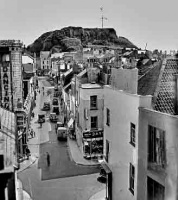 Lower Bath Street viewed from the offices of the Evening Post in 1948 Picture Evening Post
 -
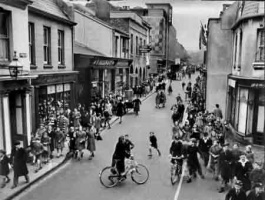 Cinemagoers emerge from a matinee performance at the Odeon into Bath Street in 1953 Picture Evening Post
 -
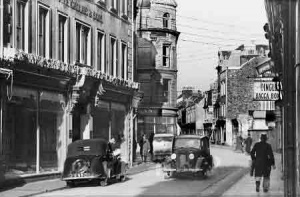 Bath Street at its junction with Minden Place in 1945 Picture Evening Post
 -
-
 1965
1965 -
 1969
1969 -
-
 1930s
1930s -
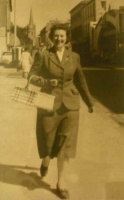 1950s
1950s -
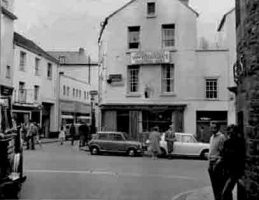 Hilgrove Street junction 1968
 -
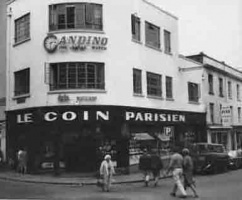 Queen Street junction 1968
 -
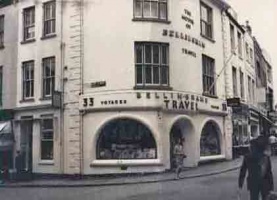 Queen Street junction 1968
 -
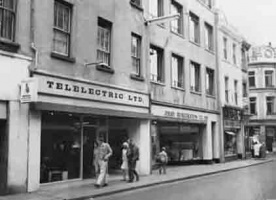 1968
1968 -
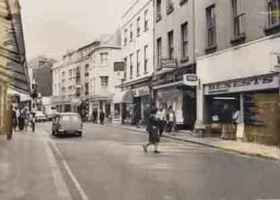 1968
1968 -
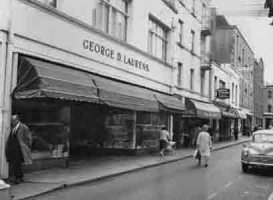 1968
1968 -
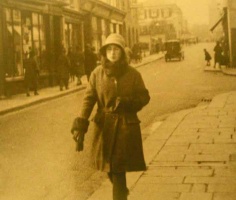
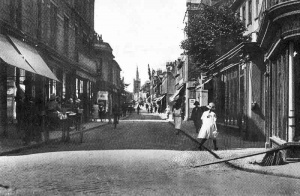 In the 1920s
 -
-
-
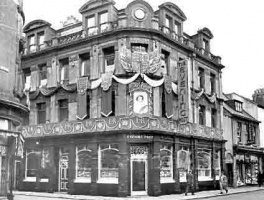 The offices of the Evening Post decorated to celebrate the Coronation of Queen Elizabeth II in 1953
 -
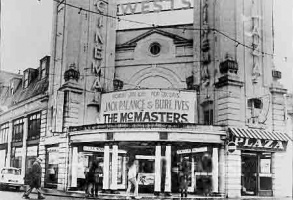 Wests in 1969


-
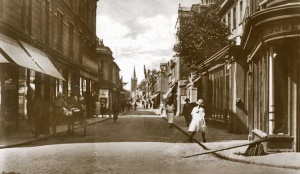
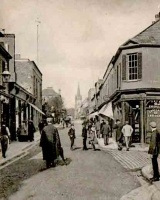
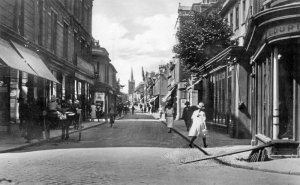 Looking up the street with the spire of St Mark's Church in the distance
 -
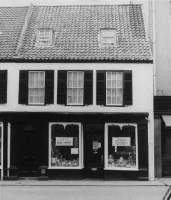 52 Bath Street in the 1970s
 -

-
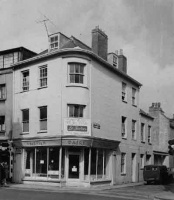
-
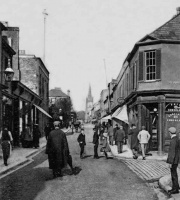 Bath Street and David Place
 -
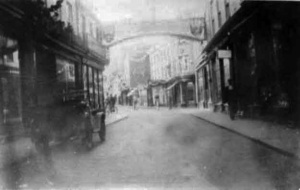 1921
1921 -
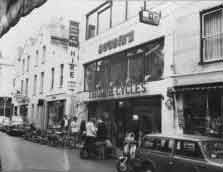 1968
1968 -
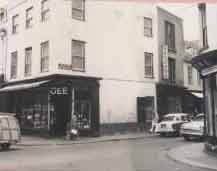 1968
1968


-
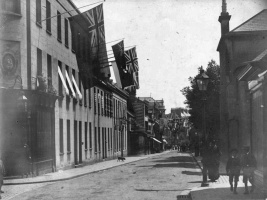 Bath Street in 1897
 -
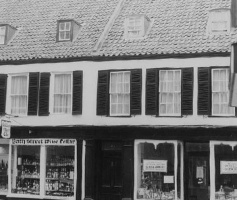 50-52 Bath Street
 -
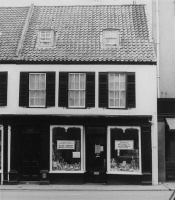 52 Bath Street
 -
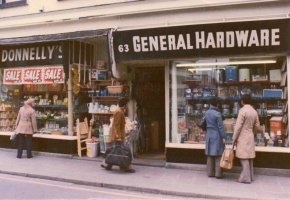
-
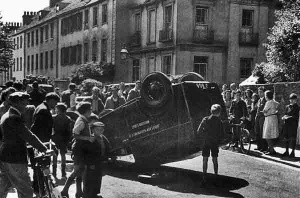 A Waterworks Comany van overturns in Bath Street in the 1950s
 -
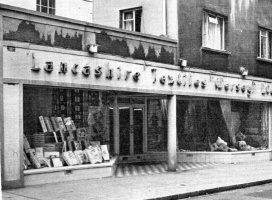 Lancashire Textiles
 -
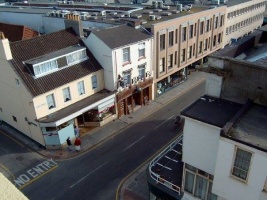 2004
2004 -
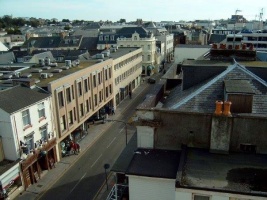 2004
2004 -
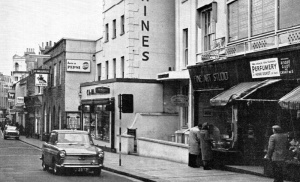 1966
1966 -
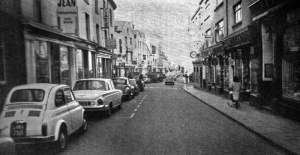 1966
1966 -
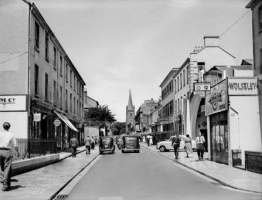 1950s - Bath Street becomes David Place beyond the centre of this picture
 -
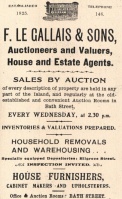
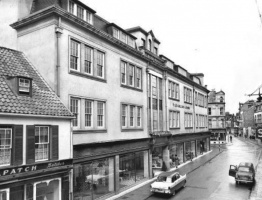 Le Gallais furniture store in Bath Street
 -
-
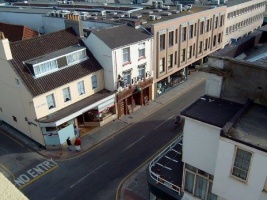
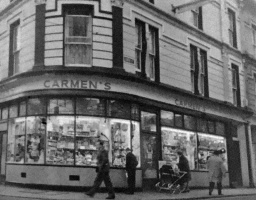 Carmen's was on the corner of Bath Street and Minden Place before the property was converted to a restaurant in the 1960s
 -
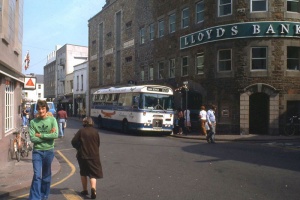 1978
1978 -
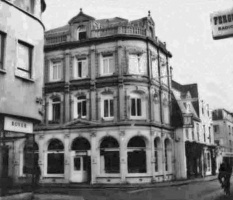 The corner with Belmont Road
 -
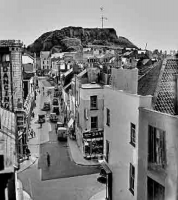 1950s
1950s -
 Listening to 1960 election results outside the Evening Post offices
 -
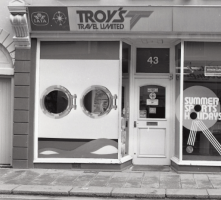 Troy's Travel took over the Jersey Evening Post town office at No 43
 -
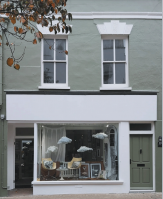 The Nest occupied No 19


-
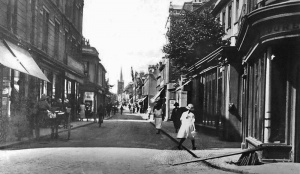 1929
1929 -
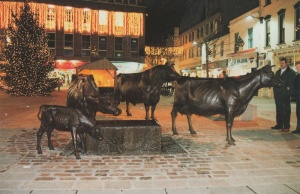 Sculpture of Jersey cows at West's Centre, which replaced the cinema
 -
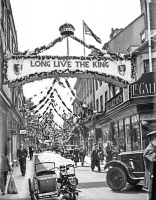 1935
1935 -
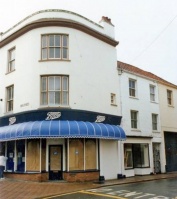 Boots had a temporary shop on the corner of Bath Street and Hilgrove Street during the redevelopment of their main store in 1990
 -
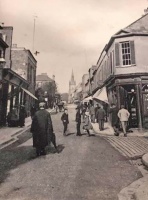 Bath Street, with David Place beyond
 -
 1935 - George V's Silver Jubilee decorations
 -
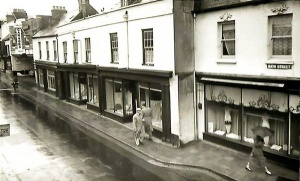 1950
1950 -
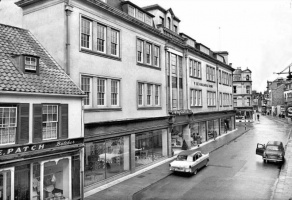 1959 - Picture Evening Post
 -
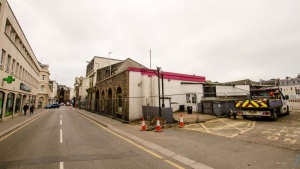 Bath Street in 2020 before demolition work started on the right as part of a major regeneration programme
 -
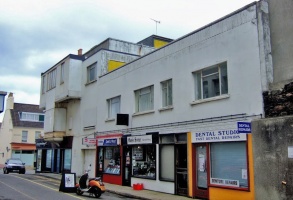 Shops opposite the Odeon Cinema, demolished in 2021
 -
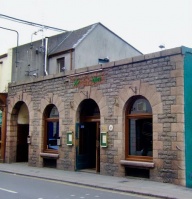 Bath Street Wine Bar, also demolished
 -
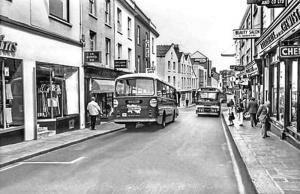 Buses in Bath Street, c1973
 -
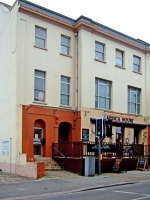 The old Bath Hotel, this building was demolished in 2021
 -
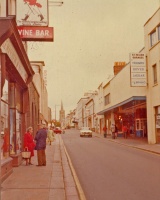 1978
1978 -
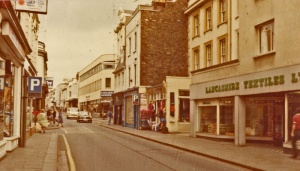 1978
1978 -
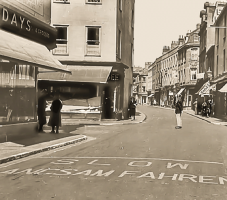 English/German road markings during the Occupation
 -
 A parade during coronation celebrations in 1953
 -
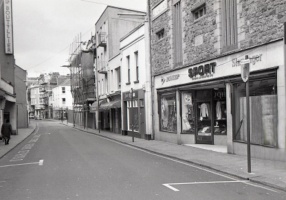 1977 - Picture Jersey Evening Post
 -
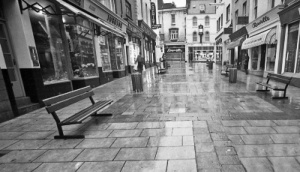 1979 - Picture Jersey Evening Post
 -
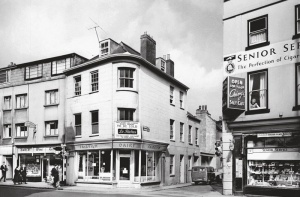 The junction with Phillips Street in 1964 - Picture Jersey Evening Post
 -
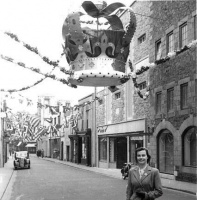 Coronation decorations in 1953 - Evening Post photograph
 -
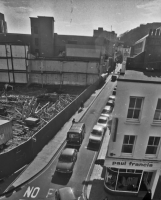 1977 - Jersey Evening Post photograph
 -
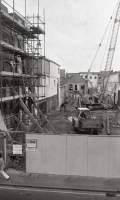 1979 - Jersey Evening Post photograph
 -
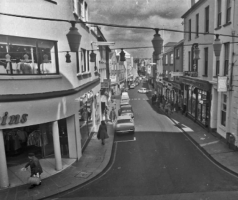 1977 - Jersey Evening Post photograph
 -
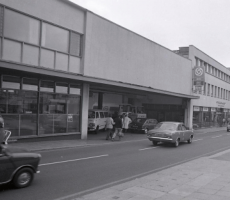 1982 - Jersey Evening Post photograph
 -
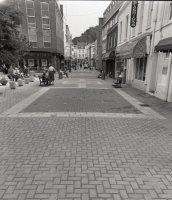 1980 - Jersey Evening Post photograph
 -
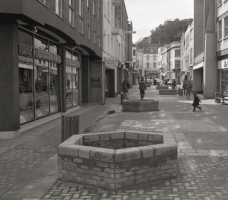 1981 - Jersey Evening Post photograph
 -
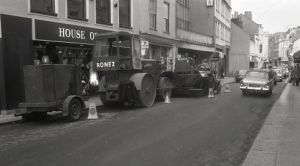 1976 - Jersey Evening Post photograph


.jpg)


Bath Street businesses

-
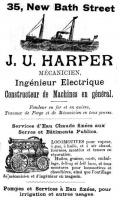
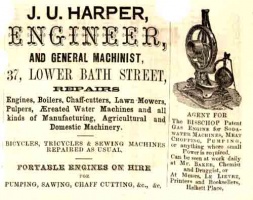
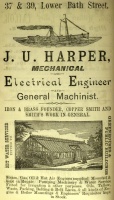
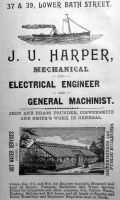
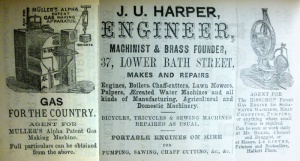
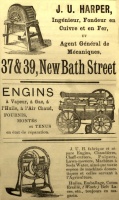 Electrical engineer John Underwood Harper was born in Holbeach, Lincolnshire in 1845 and moved to Jersey, where he married Maria Justine Hunt in 1871. Mr Harper was one of the pioneers of electrical installations in Jersey, and earlier he supplied steam and gas-powered engines, pumps and all manner of hot water installations, variously from 35, 37 and 39 Bath Street.
 -
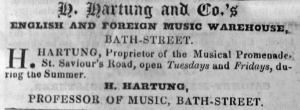 H Hartung taught music and sold sheet music on two days a week in 1837
 -
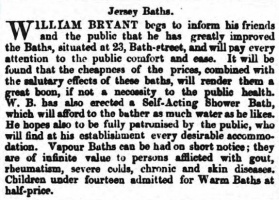 1858
1858 -

-
-
-
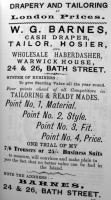
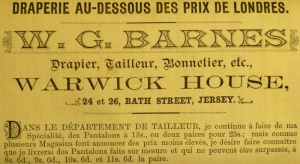 Draper and tailor W G Barnes was established at Warwick House, 24 and 26 Bath Street, in the mid-19th century
 -
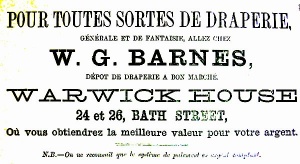 Cashing in on precious metals is not a 21st century phenomenon - W G Barnes offered the 'best value' for silver in this advert
 -
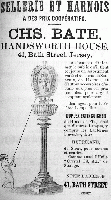 Charles Bate, at Handsworth House, 41 Bath Street, traded in saddlery and lamps
 -
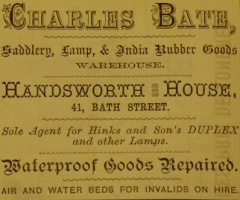 And Charles Bate also had air and water beds on hire for invalids
 -
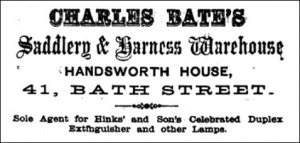 1881 advert
 -
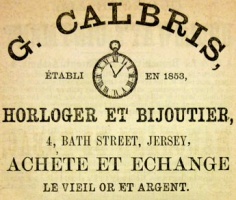 Watch maker and jeweller George Calbris, established in 1853, traded from 4 Bath Street
 -
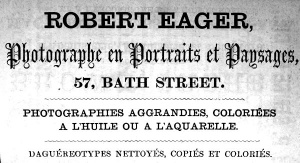
-
-
-
-
-
-
-
-
-
-
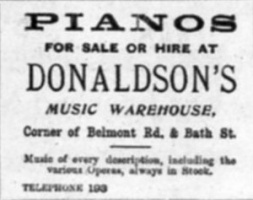
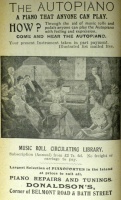 Donaldsons for autopianos
 -
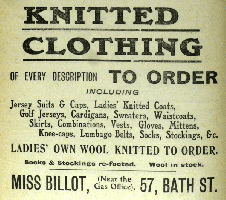 Miss Billot's knitted clothing
 -
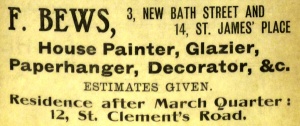 Bews painter and decorator
 -
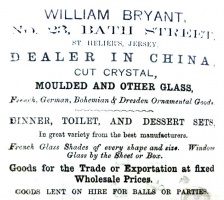 William Bryant, china dealer
 -
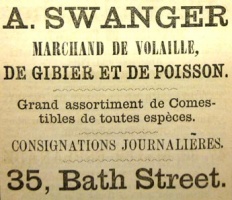 A Swanger, poultry and fish merchant
 -
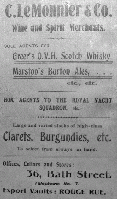 Le Monnier wine and spirit merchant
 -
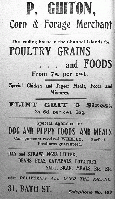 P Guiton, poultry food supplier
 -
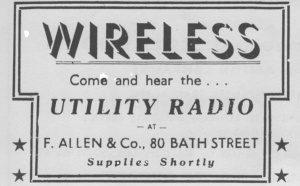 Allen Radio, a 1945 advert
 -
-
-
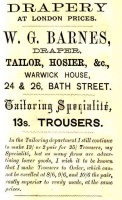 Barnes, traper and tailor at Warwick House, Bath Street
 -
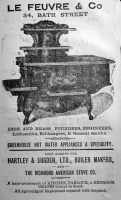
 Le Feuvre and Co, iron and brass founders
 -
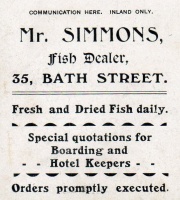 Simmons fishmonger, No 35
 -
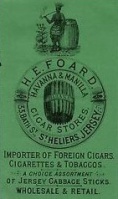
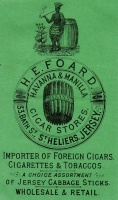 Foard tobacconist, No 33
 -
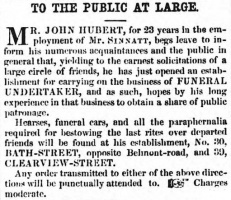 1855
1855 -
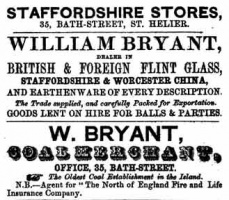 No 35 in 1857
 -
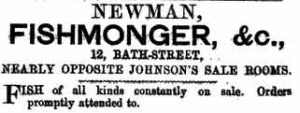 1857
1857 -
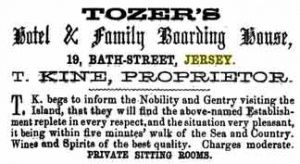 1857
1857 -
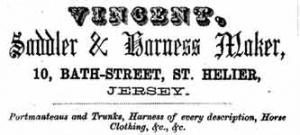 1857
1857 -
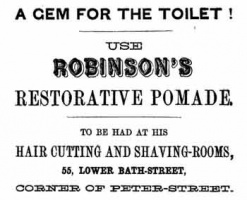 1857
1857 -
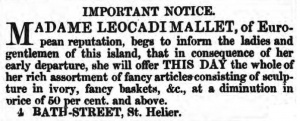
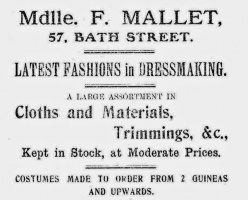 Mallet dressmaker
 -
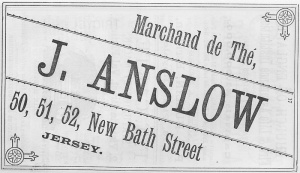 1892
1892 -
 1891
1891 -
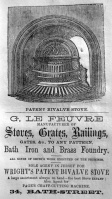 George Le Feuvre manufactured stoves and other ironwork at his 34 Bath Street foundry in 1874 ...
 -
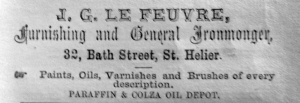 ... J G Le Feuvre was trading next door at the same time ...
 -
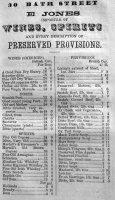 ... and Edward Jones' wines and spirits store was another door down at No 30
 -
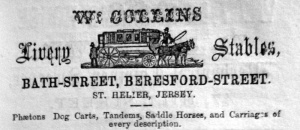 Collins livery stable was on the corner of Beresford Street and Bath Street in 1874, right in the middle of what today is a busy shopping area.
 -
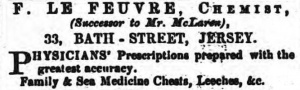 1857
1857 -
 1890
1890 -
 1855
1855 -
 1890
1890 -
 1905
1905 -
 1905
1905 -
 1905
1905 -
 1905
1905 -
 1905
1905 -
 1886
1886 -
 1920
1920 -
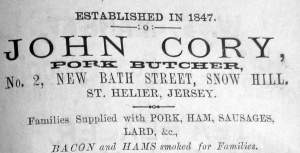 1905
1905 -
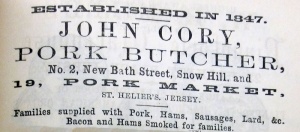 1886
1886 -
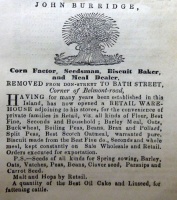 1852
1852 -
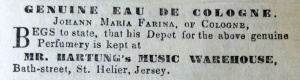
-
 1895
1895 -
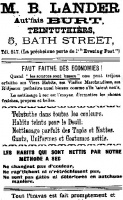 1916
1916 -
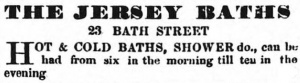 1855
1855 -
 1860
1860 -
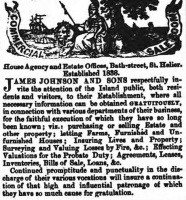 1860
1860 -
 1874
1874 -
 1855
1855 -
 1855
1855 -
 1855
1855 -
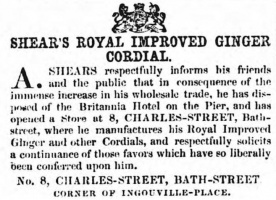 1855
1855 -
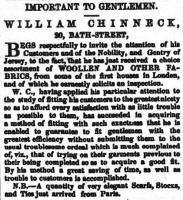 1857
1857 -
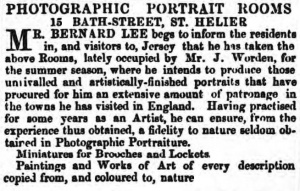 1858
1858 -
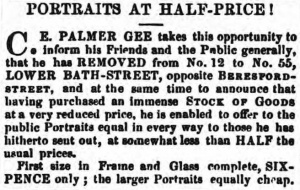 1858
1858 -
 1858
1858 -
 1858
1858 -
 1860
1860 -
 1860
1860 -
 1862
1862 -
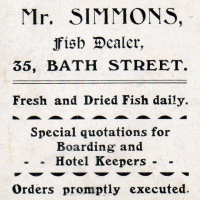
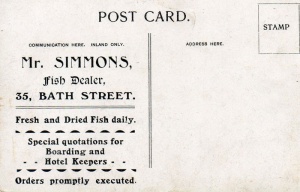 Fishmonger Mr Simmons was at 35 Bath Street, but when? We can find no trace of the business in our almanac collection
 -
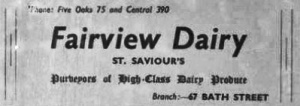
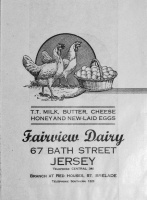 A promotional bag for Fairview Dairy
 -
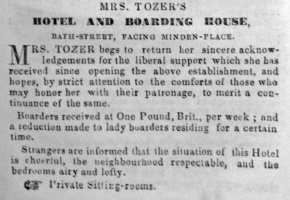 1850
1850 -
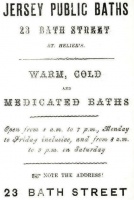 1887
1887 -
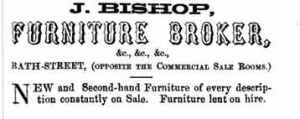 1857
1857 -
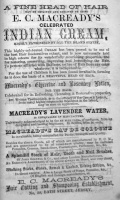 1862
1862 -
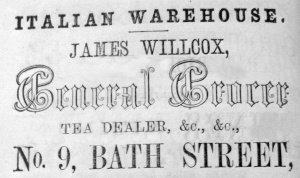 1862
1862 -
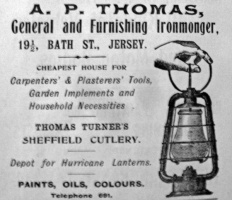 1915
1915 -
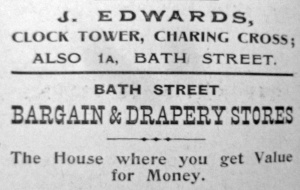 1925
1925 -
 George Boudin's cycle shop was at 20, 22 and 23 Bath Street in 1935
 -
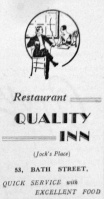 Quality Inn, 1948
 -
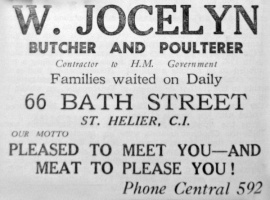 1955
1955 -
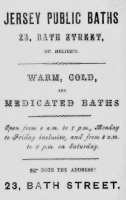 1887 advert
 -
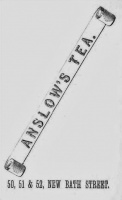 1887 advert
 -
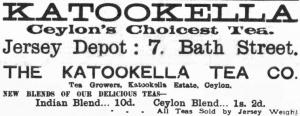 Katookella was a Ceylon tea probably imported direct to Jersey in 1899. It is not believed to have been sold elsewhere in the British Isles
 -
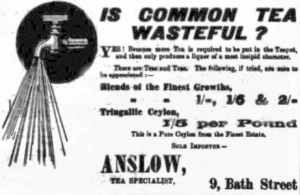 1899 Evening Post advert
 -
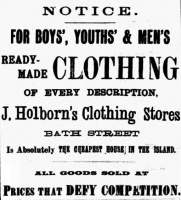 1899 Evening Post advert
 -
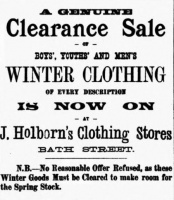 1899 Evening Post advert
 -
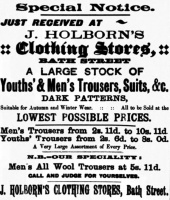 1899 Evening Post advert
 -
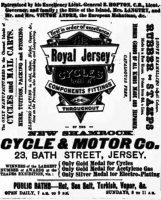 1899 Evening Post advert
 -
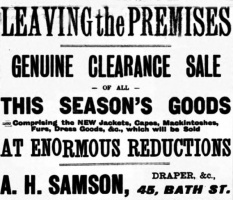 1899 Evening Post advert
 -
 1899 Evening Post advert
 -
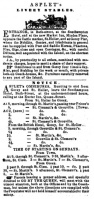 1853
1853 -
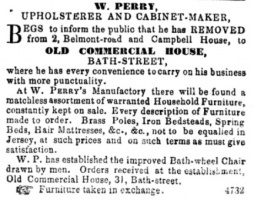 1853 advert
 -
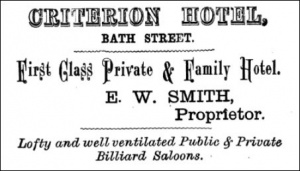 1881 advert
 -
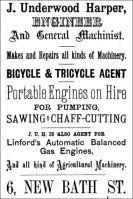 1881 advert
 -
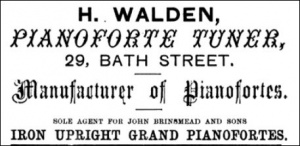 1881 advert
 -
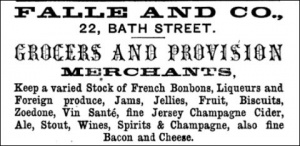 1881 advert
 -
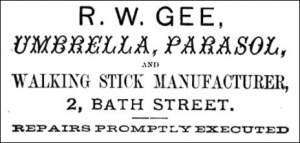 1881 advert
 -
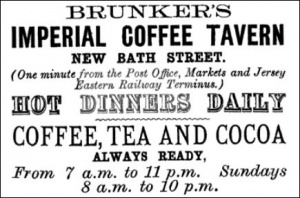 1881 advert
 -
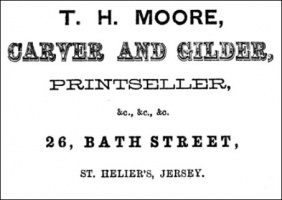 1863
1863 -
 1873
1873 -
 1873
1873 -
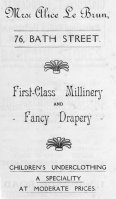 1927
1927 -
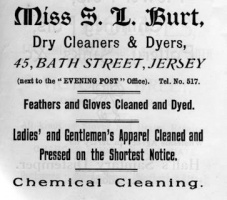 1927
1927 -
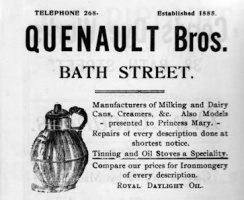 1927
1927 -
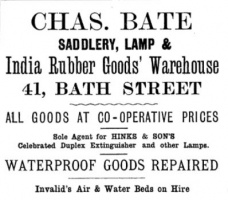 1887 advert from L'Almanach de la Gazette de Jersey
 -
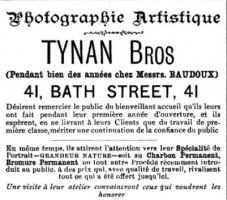 1887 advert from L'Almanach de la Gazette de Jersey
 -
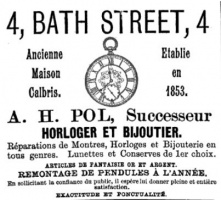 1887 advert from L'Almanach de la Gazette de Jersey
 -
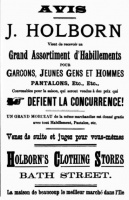 1896 Nouvelle Chronique advert
 -
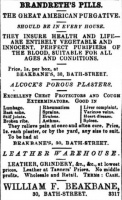 1873 advert in the Jersey Independent
 -
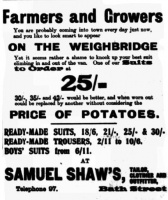 Evening Post 1909
 -
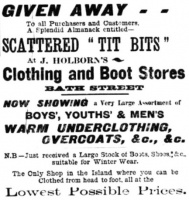 1900
1900 -
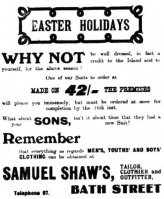 1908
1908 -
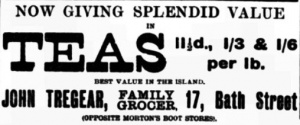 1906
1906 -
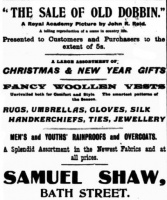 1906
1906 -
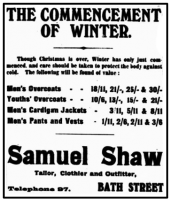 1915
1915 -
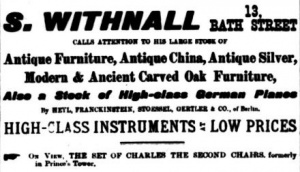 1897
1897 -
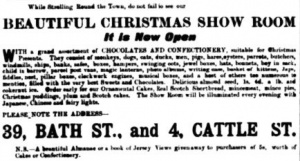 1897
1897 -
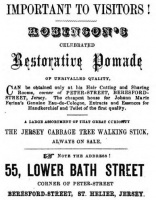 1859
1859 -
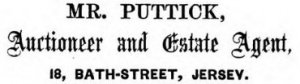 1859
1859 -
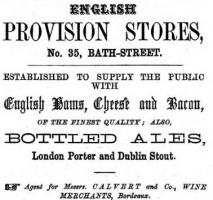 1859
1859 -
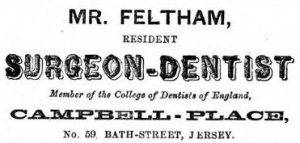 1859
1859 -
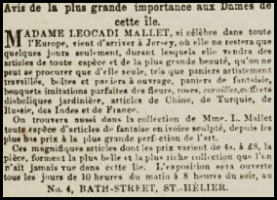 1860
1860 -
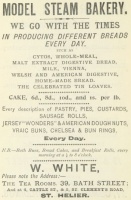 1896
1896 -
 1953
1953 -
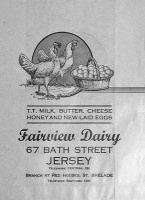 Fairview Dairy bag
 -
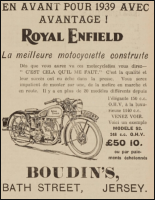 1939 advert in the Chronique de Jersey
 -
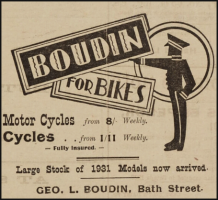 1931 advert in the Chronique de Jersey
 -
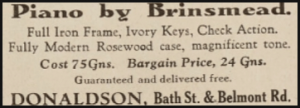 Advert from Jersey Leader, 1935
 -
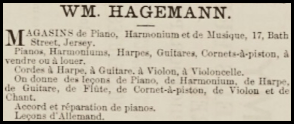 William Hagemann sold pianos and other musical instruments at No 17 in 1880
 -
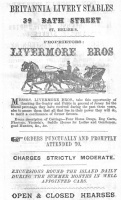
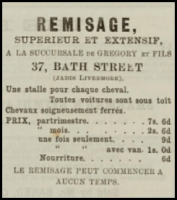 Livery stables at No 37 in 1890
 -
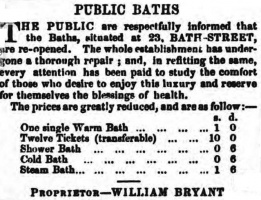
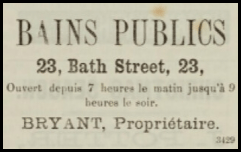 Advert in 1890 for the baths which gave the street its name
 -
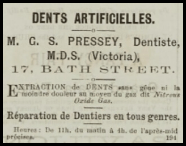 C Pressy, dentist, 1890
 -
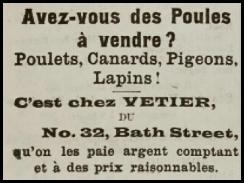 1900 advert in Chronique de Jersey
 -
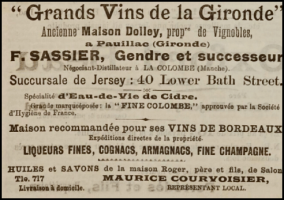 1910 advert in Chronique de Jersey
 -
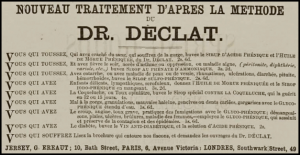 1880 advert in the Chronique de Jersey
 -
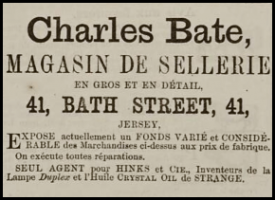 1880 advert in the Chronique de Jersey
 -
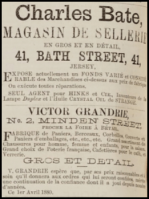 1880 advert in the Chronique de Jersey
 -
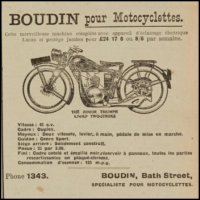 1930 advert in Chronique de Jersey
 -
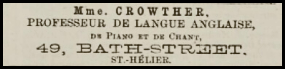 English professor Mrs Crowther taught piano and singing at 49 Bath Street in 1870


Arthur Angel's Italian Warehouse
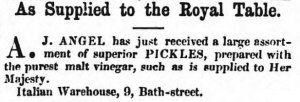
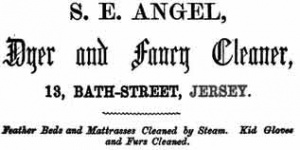
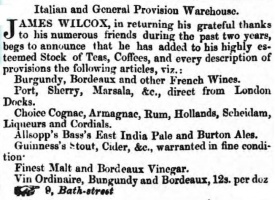
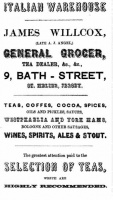
Arthur Angel, born in England in 1824, came to Jersey with his brothers Samuel and Benjamin. Samuel, who was two years younger than Arthur, set up in business at 3 Olympic Place, Bath Street, as a master dyer, and in 1851 he was employing Arthur and two other staff. By 1855 Arthur had gone into business on his own at 9 Bath Street, where he established his Italian Warehouse, which he advertised extensively in the new newspaper Jersey Independent. He offered such delicacies as Dundee Marmalade and 'superior pickles as supplied to Her Majesty (presumably not by Arthur himself). Sadly the business was not a success, because by 1857 it had been taken over by James Wilcox.
Arthur had come to Jersey from Saint Pancras, London, where he was born, via Guernsey, where he supposedly married Matilda Jones in 1845. The couple are said to have had two daughters, Emily and Elizabeth, born in Guernsey in 1846 and 1848. However, the 1851 census shows Arthur living in Jersey with Samuel and described as 'unmarried'. A year later he apparently married again, in Guernsey, to Matilda Davey, and they had four children, including another Arthur (1856-1921).
The family history in online records becomes very confused. Arthur, described as a printer, Matilda, and three of the six children are shown living in Guernsey in the 1861 census, with Arthur's brother Benjamin. There is no sign of Arthur jnr, who is believed eventually to have emigrated to Australia. His father is believed to have returned to England, then gone to the USA, where in 1874 he was said to be serving in the US Navy.
This all seems highly unlikely and the suspicion is that compilers of online trees have located more than one Arthur Angel in various records and assumed that they were all the same person. Wherever he and his family ended up, it is clear that Arthur Angel only traded in Bath Street, St Helier, for a comparatively short time, and failed to make a success of his pickles and marmalade.
-
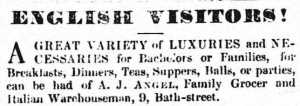 1855
1855 -
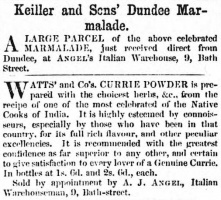 1855
1855 -
 1855
1855 -
 1857
1857 -
 1859
1859 -
 1857
1857


Notes and references
- ↑ There is a dispute over the correct spelling of the street. Today it is known as Philipps Street, but the 1834 Le Gros map of St Helier shows it as Philip Street, all the other streets being named after Anglicised versions of the family forenames without a final possessive 's'